How to Get a Tight, Musical Hi-Hat Sound w\/ Ralph Rolle
One of the most overlooked aspects of hi-hats is their tonal range. There are so many different aspects and variables that you can work on to broaden your playing palette on that part of the instrument.
We recently uploaded a video featuring Ralph Rolle breaking down how you can use your stick and the technical aspects of a hi-hat to get the sound you want. The drums are one of the most dynamic instruments out there and the hi-hat is one of the most special and unique components of it.
This video was aimed to highlight the full tonal range that exists within your hi-hat cymbals and how you can achieve it.
Why a Tight Hi-Hat Sound Works So Well
For this article we're going to mainly focus on the closed, tight sound - but there will be nuances in there, of course.
The foundation of a tight hi-hat sound starts with foot control. Keeping the top cymbal pressed down consistently gives you that crisp “ch'k” and prevents the hats from washing out unintentionally.
Rather than letting the hi-hat float open, the foot has to be regarded as an active part of the groove. You’re not just holding the hats shut - the amount of pressure you place on the pedal can shape the groove - this is an often overlooked tool within the drummer's arsenal.
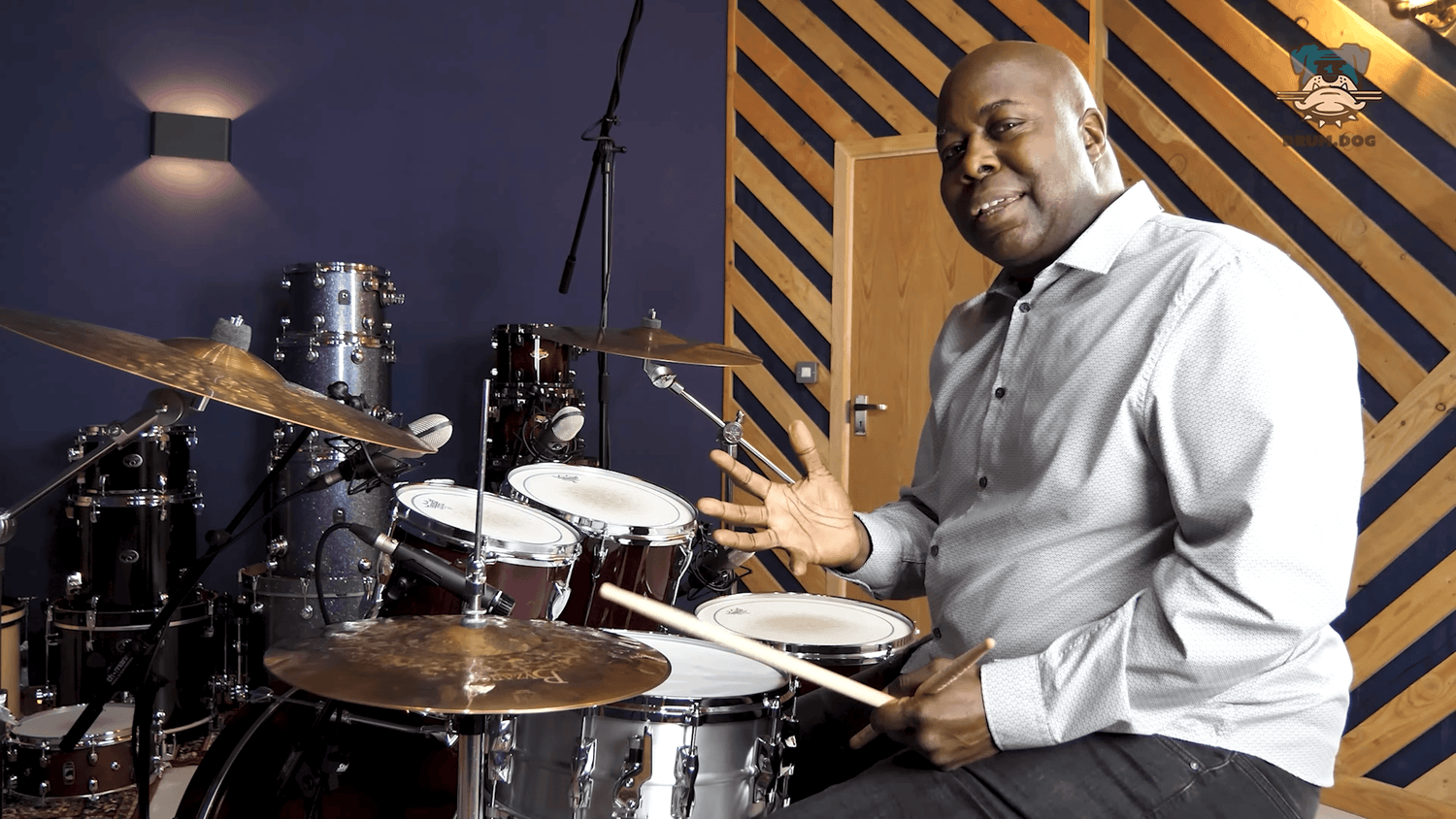
Stick Placement: Small Detail, Big Difference
What part of the stick you strike the hi-hat with has a big impact on tone. The tip of the stick creates a sharper, more contained note but the side of the stick, roughly two to three inches down from the tip, produces a thicker, warmer sound that still has definition.
This approach works equally well with both hands. If you’re switching accent patterns or leading with different hands, maintaining consistent stick placement helps keep the hi-hat tone even and controlled. It’s a subtle adjustment, but once you hear the difference, it’s hard to unhear it.
When you begin combining the two points we've covered so far (hi-hat foot controlling openness of hi-hat + stick placement) your options will expand and the opportunities for learning are endless.
One starting point (so we don't get overwhelmed with options) - open the hi-hat just an inch, this should be enough to let both the top and bottom cymbals speak together — giving you a fuller sound without turning into white noise. The trick is to add texture while always retaining clarity and control. The goal is to hear both cymbals clearly, not just a splashy top cymbal. That balance keeps the groove grounded while adding air.
The Hardware Adjustment Most Drummers Ignore
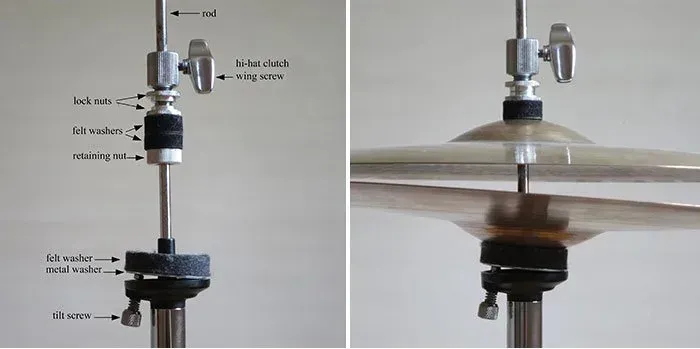
We've covered hi-hat foot and sticks, let's talk about the hardware itself. On most hi-hat stands, there’s a small screw near the bottom cymbal that controls the angle of the bottom hat. Many drummers never touch it. Some don’t even know what it does.
By tightening this screw slightly, you can angle the bottom hi-hat so it makes better contact with the top cymbal. This ensures that when the hi-hat is slightly open, you still hear both cymbals together instead of one dominating the sound.
This single adjustment can have a huge effect on your hi-hat tone!
This adjustment, like any on a kit, is worth exploring and experimenting with to see what sounds you can get out of it and what you like.
Another often-overlooked detail is clutch tension. Tightening the clutch slightly adds resistance and control, which can further reduce unwanted wash. The result is a hi-hat sound that feels firm, responsive, and precise - especially helpful in grooves where subtle dynamics matter.
Putting It All Together in the Groove
Consistent foot pressure
Side-of-the-stick articulation
Slight hi-hat openness
Proper cymbal angle
Dialled-in clutch tension
When you begin experimenting and combining the above points, you'll find yourself with countless options on the hi-hat - the next step is purposeful implementation. Familiarise yourself with different configurations, what works best in certain scenarios, what to avoid - then you know how and when to deploy certain things.
Why This Matters More Than You Think
A lot of the content out there (including our own) covers technique; how to play this fill, how to play this groove. But this article is focusing on how something sounds which is just as important. Exploring these small details can elevate your sound, even in the subtlest of way. And what's great is you don't need new cymbals, sticks or chops - you probably already have the components to experiment with!
Dive in and try something different - if you have any questions, thoughts or even a little video of you playing with a new hi-hat configuration, send it over to [email protected] and we'd love to take a look!
If you enjoyed this post then you should definitely take a look at Ralph Rolle's masterclass on our website. If you're already a member you can access it in our library - if you want to start a free trial you can do so by clicking this link!


Still Stuck Behind the Kit?
If your doubles are sloppy, your grooves feel rigid, or your ghost notes get lost in the mix — it’s not your fault. You’ve been trying to fix the wrong things.
🎧 Ralph Rolle (drummer for Nile Rodgers & Chic) reveals the exact lessons most drummers skip… but every pro nails.
In just 8 crystal-clear videos, Ralph cuts through the fluff and gives you the breakthroughs YouTube never could.
Doubles that feel right
Grooves with flow
Ghost notes that hit
Bonus: Shuffle, hip-hop feel & clinic jam
Here’s the kicker:
You’ll feel better behind the kit — and your band will hear the difference. All for less than a pair of sticks.
“Turns out I wasn’t missing one trick. I was missing Ralph.” – @sticktwister

STAY IN THE LOOP