Mel Gaynor (Simple Minds, Elton John) Interview: Broken Gear & 'Don't You (Forget About Me)'
I'll be honest, before preparing for this interview, I didn't know a great deal about Mel Gaynor. I'd heard the name and my dad had always spoken about him in glowing terms but I hadn't really sat down with Simple Minds. So I did my homework. I watched interviews, dug into the albums, and very quickly realised what a powerhouse Mel is. A seriously impressive drummer who played a defining role in the sound of one of the standout acts of the 80s. When I finally met him at the UK Drum Show, where he'd brought his nine-year-old grandson along for the day, the warmth and passion he carries for music was immediately obvious. We sat down for a conversation that covered everything from his early session days to John Bonham, solo albums and the famous breakdown in a certain iconic track.
From Session Player to Simple Minds
Mel's route into Simple Minds is a great story. In 1982, he was working as a session drummer with Heatwave in a London studio when producer Peter Walsh asked if he fancied playing with a new band he was working with. Mel had never heard of them, but he showed up anyway.
"There was another drummer there at the time laying the tracks, but they weren't quite happy with his work. So I came in, started tracking a few things, and they were happy with that."
What they were looking for, it turned out, was intensity. The previous drummer's style was felt to be too light, too jazzy. Mel brought the rock element they needed, combined with the funk sensibility he'd been developing through his session work. It was a natural fit, and what started as a studio job gradually became something more permanent.
The shift from session musician to full band member was a significant adjustment. Sessions had always been straightforward for Mel: show up, deliver what the producer wants, move on. Band life meant navigating personalities, compromising, and being part of something ongoing. But it also opened up new creative territory. By the time they reached Sparkle in the Rain, Mel was writing his own drum parts, contributing compositionally rather than just executing someone else's vision.
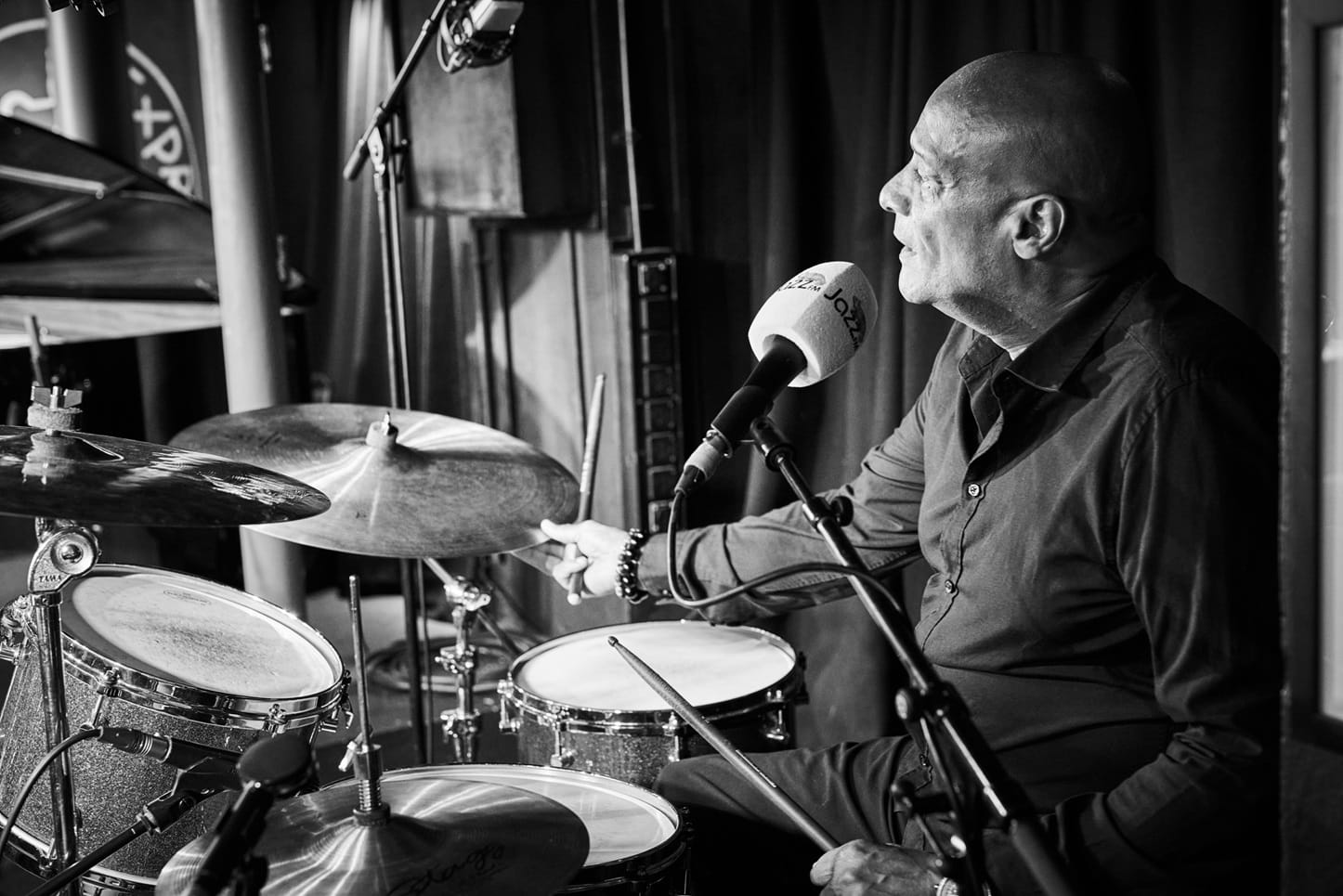
The Groove, the Feel and the Space In Between
One of the most fascinating threads in our conversation was about what actually makes a great drummer great.
"It's not all about technique. It's about the feeling."
He talked at length about the idea of sitting behind the beat, that slightly laid-back quality you hear in Jeff Porcaro, Steve Gadd, even Buddy Rich. The groove that pulls rather than pushes. It's something that's incredibly difficult to teach, and Mel acknowledged as much. You either feel it or you don't. He counts it as something of a trademark in his own playing, and listening back to his work with Simple Minds, you can absolutely hear it.
When asked about the compositional side of drumming, how he approaches a new track, Mel was clear that thinking like a songwriter changes everything. He talked about listening to what the melody is doing, what the chords are doing, and building drum parts that serve and complement those elements rather than just keeping time. In Simple Minds, that often meant locking into Mick MacNeil's keyboard parts.
"I was queuing off the melody of Mick on a lot of the stuff I was playing. On Once Upon a Time, his playing was so elaborate, but it was clear to me that was the melody of the whole record."
That album, recorded at CCT Studios in Wembley, also produced one of Mel's most distinctive snare sounds, a 14x5 brass snare in a room with extraordinary natural acoustics. If you've ever wondered where that crack came from, now you know. He also attempted to make off with producer Bob Clearmountain's Black Beauty snare in his kit case. It did not go undetected.
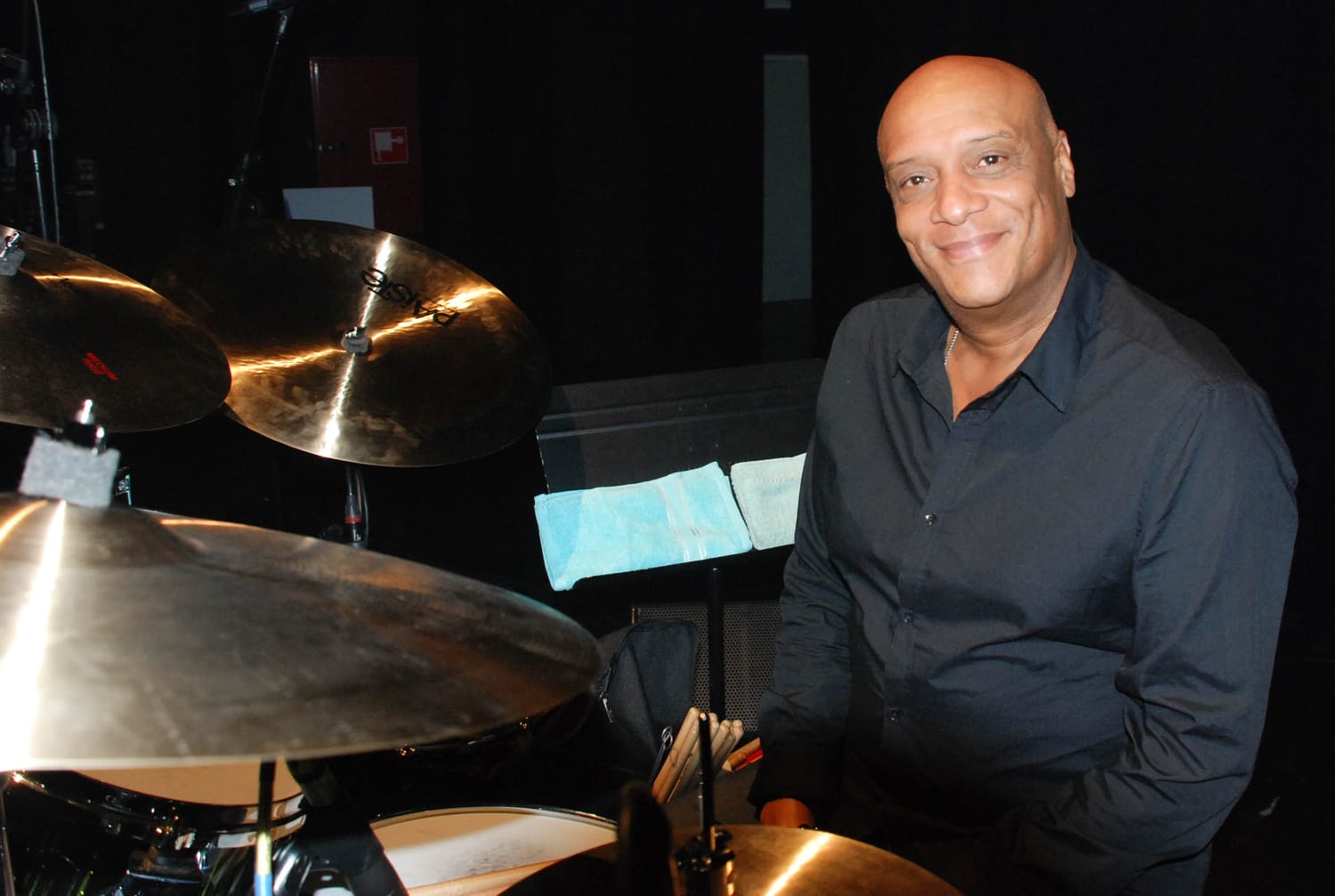
Don't You (Forget About Me) and the Road Ahead
No conversation with Mel Gaynor would be complete without talking about perhaps the most famous song in the Simple Minds catalogue. When an audience member brought up Don't You (Forget About Me), Mel's face lit up. The track came together remarkably quickly, essentially two takes of jamming around a demo that Keith Forsey had presented to the band.
"That breakdown was a mistake. It wasn't a mistake, it's just that Jim didn't have any words for that section. That's why he sang la la la. I had to bring it in with the feel."
And bring it in he did. That moment, which audiences worldwide still wait for every time the song plays, came entirely from instinct. There was no grand plan, no careful arrangement. Just a musician feeling his way through a gap in the song and landing perfectly.
Mel spent 38 years with Simple Minds, his tenure ending after the 2017 album. He was characteristically measured about the circumstances of his departure, noting that a book is in the works that will tell the full story. What he was happy to talk about was what comes next, his Marquee Club Allstar Band, a project built around reimagining songs from the bands that defined the legendary London venue. Not covers, as Mel was keen to point out, but reinterpretations with the band's own stamp on them.
At nine years old, his grandson is already obsessed with drums, and watching them together at the Drum Show, it wasn't hard to see why. Mel Gaynor is exactly the kind of musician who makes you fall in love with playing, not through flash or ego, but through a deep, genuine love of feel, groove and the spaces in between.
Thanks for reading! If you’d like to hear more from top-tier drummers, start a free 30-day Drum Dog trial and explore our full library of world-class lesson packs.

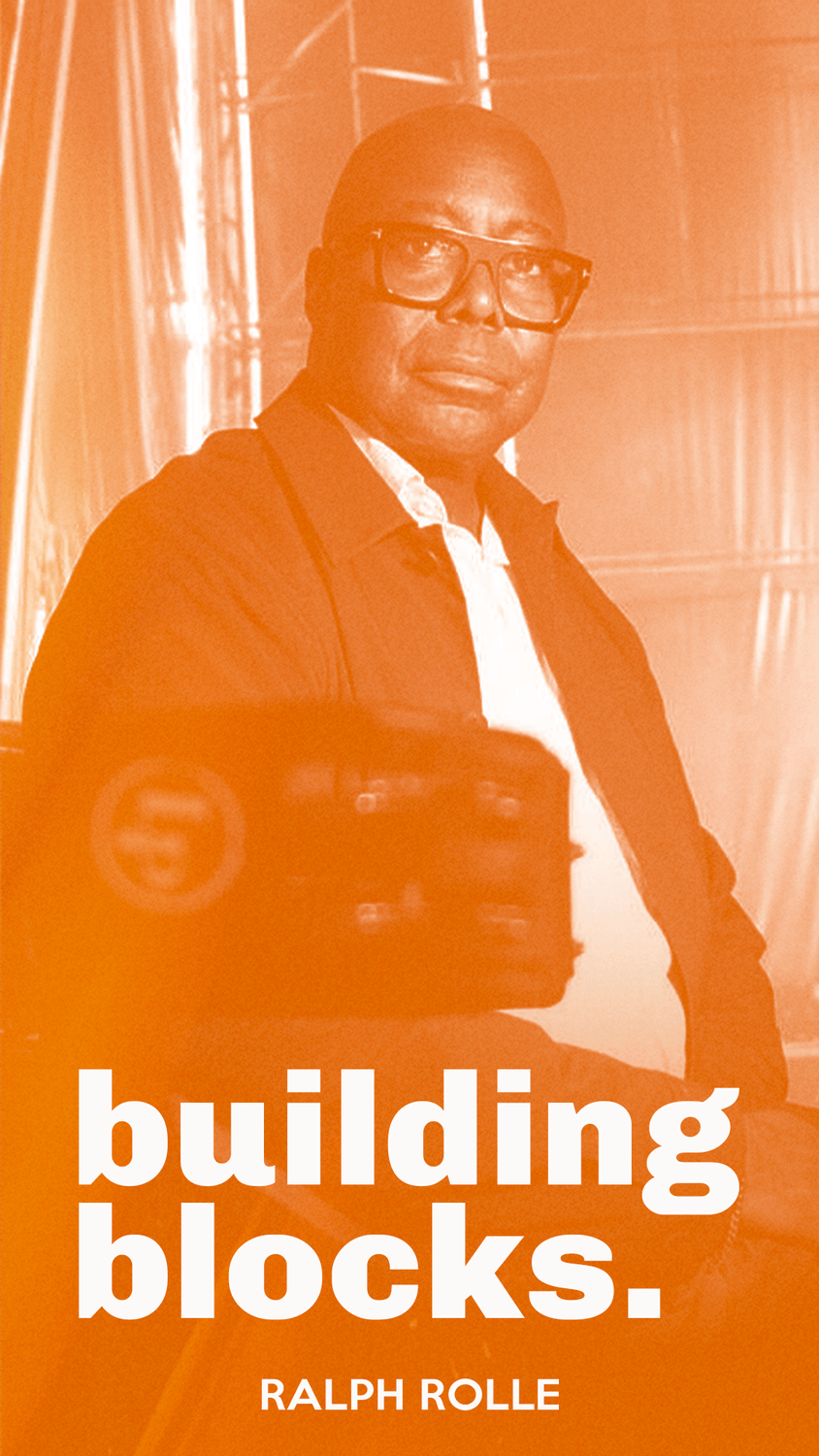

Still Stuck Behind the Kit?
If your doubles are sloppy, your grooves feel rigid, or your ghost notes get lost in the mix — it’s not your fault. You’ve been trying to fix the wrong things.
🎧 Ralph Rolle (drummer for Nile Rodgers & Chic) reveals the exact lessons most drummers skip… but every pro nails.
In just 8 crystal-clear videos, Ralph cuts through the fluff and gives you the breakthroughs YouTube never could.
Doubles that feel right
Grooves with flow
Ghost notes that hit
Bonus: Shuffle, hip-hop feel & clinic jam
Here’s the kicker:
You’ll feel better behind the kit — and your band will hear the difference. All for less than a pair of sticks.
“Turns out I wasn’t missing one trick. I was missing Ralph.” – @sticktwister

STAY IN THE LOOP