How to Improve Your Drumming Technique at Home
You can improve your drumming technique at home by practising consistently with the right tools - a practice pad or drum kit, a metronome, structured rudiment work, and a reliable schedule you actually stick to.
When I first started learning drums, this was the question I asked myself constantly. I wanted to see progress, and I wanted to see it fast. What I eventually realised was that drumming, like most things worth getting good at, rewards consistency rather than urgency.
I have friends who treat the gym like a religion. Their whole week is structured around it. Sessions are never skipped, never deprioritised, never negotiated away. The moment I started applying that same mentality to the drums was the moment things started to click. The resources are out there. There has never been more available to drummers of every level. But resources without routine are just noise. Below are a few takeaways I hope can help.

Set up a practice space you'll actually use
You don't need a full drum kit to improve your technique at home. A practice pad and a pair of sticks will help build real, transferable skill. Practice pads are quiet, affordable, and give you the resistance and rebound you need to develop proper stick control. If you do have a kit at home, even better. But don't let the absence of one be the reason you don't practise.
The important thing is that your setup is ready to go. The more friction between you and picking up your sticks, the less likely you are to do it. Keep your pad on your desk. Leave your sticks out. Make it easy to start.

Learn your rudiments and keep learning them
Rudiments are the building blocks of drumming. They are to drummers what scales are to guitarists or chords are to pianists: foundational patterns that underpin everything you'll ever play. Whether you've been playing for three months or three years, rudiments should be a non-negotiable part of your home practice.
Start with the basics: single stroke rolls, double stroke rolls, and paradiddles. Work them slowly and cleanly before you work them fast. Sloppy rudiments at speed are worth less than clean rudiments at half the tempo. Speed is a byproduct of control, not the other way around.
Use a metronome every single session
If there is one tool that separates drummers who improve quickly from those who plateau, it's the metronome. Timing is the most fundamental skill in drumming, and it is the one most commonly neglected in home practice.
Start slower than feels necessary. If you think you can play something at 100 BPM, practise it at 80. Lock in the feel, then gradually increase. Most free metronome apps work perfectly well. The habit matters far more than the tool.
Create a practice schedule and protect it
This is where the gym analogy really earns its place. The drummers who improve fastest are not necessarily the most talented. They are the most consistent. A 20-minute focused session every day will outperform a two-hour session once a week every single time.
Build a simple weekly schedule. Decide in advance which days you practise, what you'll work on, and for how long. Write it down. Put it in your calendar. Treat it with the same weight you'd give any other commitment. Consistency compounds. The progress you make in month three looks nothing like the progress you make in month one, but only if you show up for both.
A simple session structure to start with:
5 minutes: warm up, single strokes at low tempo
10 minutes: focused rudiment work
10 minutes: applying rudiments to the kit or a play-along track
5 minutes: cool down, free play
Use quality learning resources
The internet is full of drumming content, which is both a gift and a problem. Too much choice leads to too little direction. The most effective approach is to find a resource you trust and go deep with it rather than bouncing between dozens of tutorials with no throughline.
At Drum Dog, we've built a growing library of lesson packs with some of the world's best drummers, covering technique, styles, and everything in between, for players of all abilities. Pairing structured online lessons with your home practice gives you both the guidance and the repetition that improvement requires. Browse our lesson packs at drum.dog/shop.
Track your progress and hold yourself accountable
Progress in drumming is not always visible day to day, but it is visible month to month. Record yourself regularly, even just on your phone. Watching yourself back is uncomfortable but incredibly useful. It shows you things you cannot hear or feel in the moment.
Set yourself small, specific goals. Not "get better at drumming" but "play a clean double stroke roll at 100 BPM by the end of the month." Specific targets are trackable. Trackable targets keep you accountable.
The bottom line
Improving your drumming technique at home is not complicated. It requires a practice pad or kit, a metronome, a handful of rudiments to work through, and a schedule you protect. The resources and tools available to drummers today are genuinely incredible. The only variable is whether you show up consistently enough to use them.
Treat your practice like your gym-obsessed friends treat their workouts. Make it non-negotiable. The results will follow.
Want to go deeper? Try Drum Dog free for 30 days and get instant access to lesson packs from some of the best drummers on the planet.
Still Stuck Behind the Kit?
If your doubles are sloppy, your grooves feel rigid, or your ghost notes get lost in the mix — it’s not your fault. You’ve been trying to fix the wrong things.
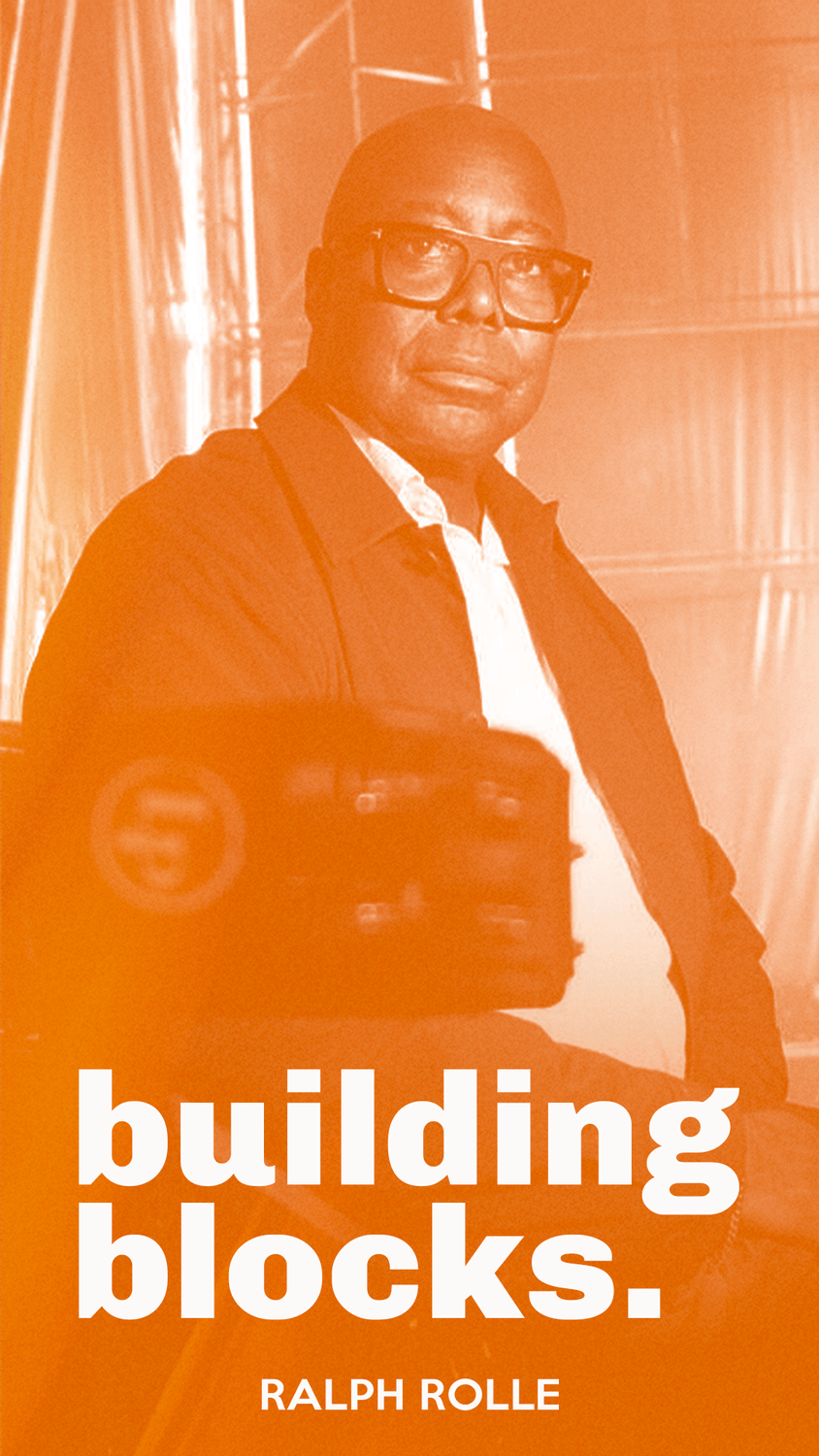
🎧 Ralph Rolle (drummer for Nile Rodgers & Chic) reveals the exact lessons most drummers skip… but every pro nails.
In just 8 crystal-clear videos, Ralph cuts through the fluff and gives you the breakthroughs YouTube never could.
Doubles that feel right
Grooves with flow
Ghost notes that hit
Bonus: Shuffle, hip-hop feel & clinic jam
Here’s the kicker:
You’ll feel better behind the kit — and your band will hear the difference. All for less than a pair of sticks.
“Turns out I wasn’t missing one trick. I was missing Ralph.” – @sticktwister

STAY IN THE LOOP