How to Stop Playing the Same Fills Every Time
Not sure if anyone else will relate to this, but I went through a long phase of playing the exact same fills, over and over. It was at its worst when I was drumming on auto-pilot, just playing without really thinking, letting muscle memory take the wheel.
And muscle memory is lazy. Left to its own devices it reaches for the fill it already knows, every single time. I didn't even notice I was doing it until the pattern was completely baked in.
Getting out of it wasn't a quick fix, either. It took dedicated practice sessions, sitting down specifically to break the habit, before my hands stopped defaulting to the same handful of moves. That's the part nobody warns you about: the rut is easy to fall into and slow to climb out of.
So here's the short answer, before we dig in: you stop playing the same drum fills by treating fills as a vocabulary you build on purpose. Take the rudiments and grooves you already know, reorchestrate them around the kit, and you'll never run dry for drum fill ideas again. You don't need more fills. You need more ways to play the ones you've already got.
Why do you keep playing the same drum fills?
Because your hands are efficient, and efficiency is the enemy of variety. Once a fill works, your brain files it under "done" and reaches for it automatically, especially when you're playing on auto-pilot rather than really listening.
That's how the rut forms. It isn't a talent problem or a creativity problem. It's a default-setting problem. You've trained a small handful of fills so deeply that they fire before you've had a chance to choose anything else.
The good news: defaults can be retrained. Breaking out of a drumming rut starts with noticing the loop, then deliberately interrupting it.
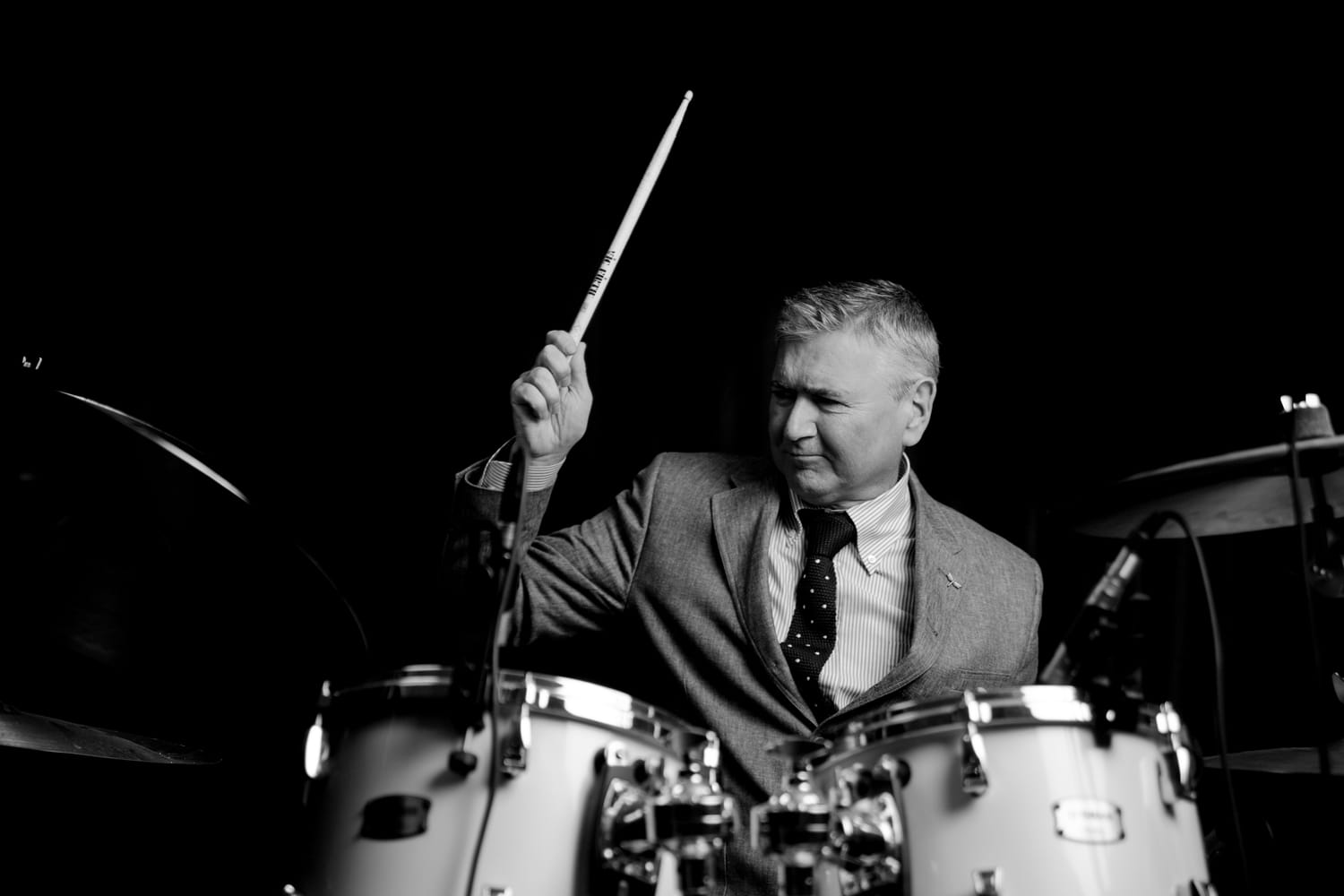
What if you don't need new fills at all?
Most drummers chase the wrong thing. They assume the fix is learning a stack of flashy new fills, so they pour hours into copying licks that have vanished from memory by the weekend.
Here's the reframe: fills are a vocabulary, not a playlist. A small set of ideas, rearranged well, gives you far more mileage than a long list you can't recall under pressure.
Think about how you speak. You don't memorise whole sentences, you combine words you already own into new ones on the fly. Your drum fill vocabulary works exactly the same way. The raw material is already sitting in your hands.
How do you reorchestrate a fill around the kit?
This is the single fastest way to multiply your drum fill ideas, and it costs you nothing new to learn. Take one fill you already play on auto-pilot. Now move it.
Say your go-to is a straight sixteenth-note run: snare, snare, high tom, floor tom. Keep the exact same sticking and rhythm, but change where each note lands. Start it on the floor tom. Put the accents on the toms instead of the snare. Move the whole shape up the kit, then back down.
Same hands, same rhythm, completely different fill. Do that with one idea and you've got eight or ten variations before lunch. This is reorchestrating rudiments around the kit, and it's the backbone of a deep vocabulary.
How does displacement multiply your drum fill ideas?
Reorchestration changes where you play. Displacement changes when. It's the second lever, and it's just as cheap.
Take that same fill and start it half a beat later, or a beat earlier than you normally would. Push it so it resolves in an unexpected spot. The notes haven't changed at all, but the feel has flipped on its head.
Displacement is how pros pull creative drum fills out of simple material. One rudiment, started on three different subdivisions, lands as three different ideas to the listener. Your hands are doing something familiar, the music sounds fresh.
How do you make it actually stick?
Knowing this and doing it under pressure are two very different things. The rut is a habit, and habits only shift with focused, repeated practice, not the occasional good intention.
Spend a few minutes each session on one fill. Reorchestrate it, displace it, then try to drop the variations into a groove without stopping. Slow it right down. Most importantly, record yourself, because auto-pilot can't hide on a recording.
This is exactly the kind of deliberate work that Drum Dog is built around. Our video library is filled with content that breaks down how to take simple ideas and turn them into a deep, flexible vocabulary, so your fills stop sounding like a reflex and start sounding like a choice.
FAQ
Why do I always play the same drum fills?
Usually because muscle memory defaults to whatever you've drilled most, especially when you're playing on auto-pilot. The fix isn't more fills, it's consciously interrupting that default and rearranging what you already know.
How can I make my drum fills more interesting?
Reorchestrate and displace. Move a familiar fill to different drums, and start it on a different beat or subdivision. Same material, fresh result, no new licks required.
How many drum fills should I actually know?
Fewer than you'd think. A handful of solid ideas you can reorchestrate and displace will hand you more usable drum fill ideas than a long list you can't recall when it counts.
What's the best way to practise drum fills?
Pick one fill, spend a few focused minutes reorchestrating and displacing it, drop the variations into a groove without stopping, and record yourself so you can catch auto-pilot creeping back in.
Drum Dog membership keeps drumming in your daily life and your playing sharp, with the exercises and challenges to keep you practising.
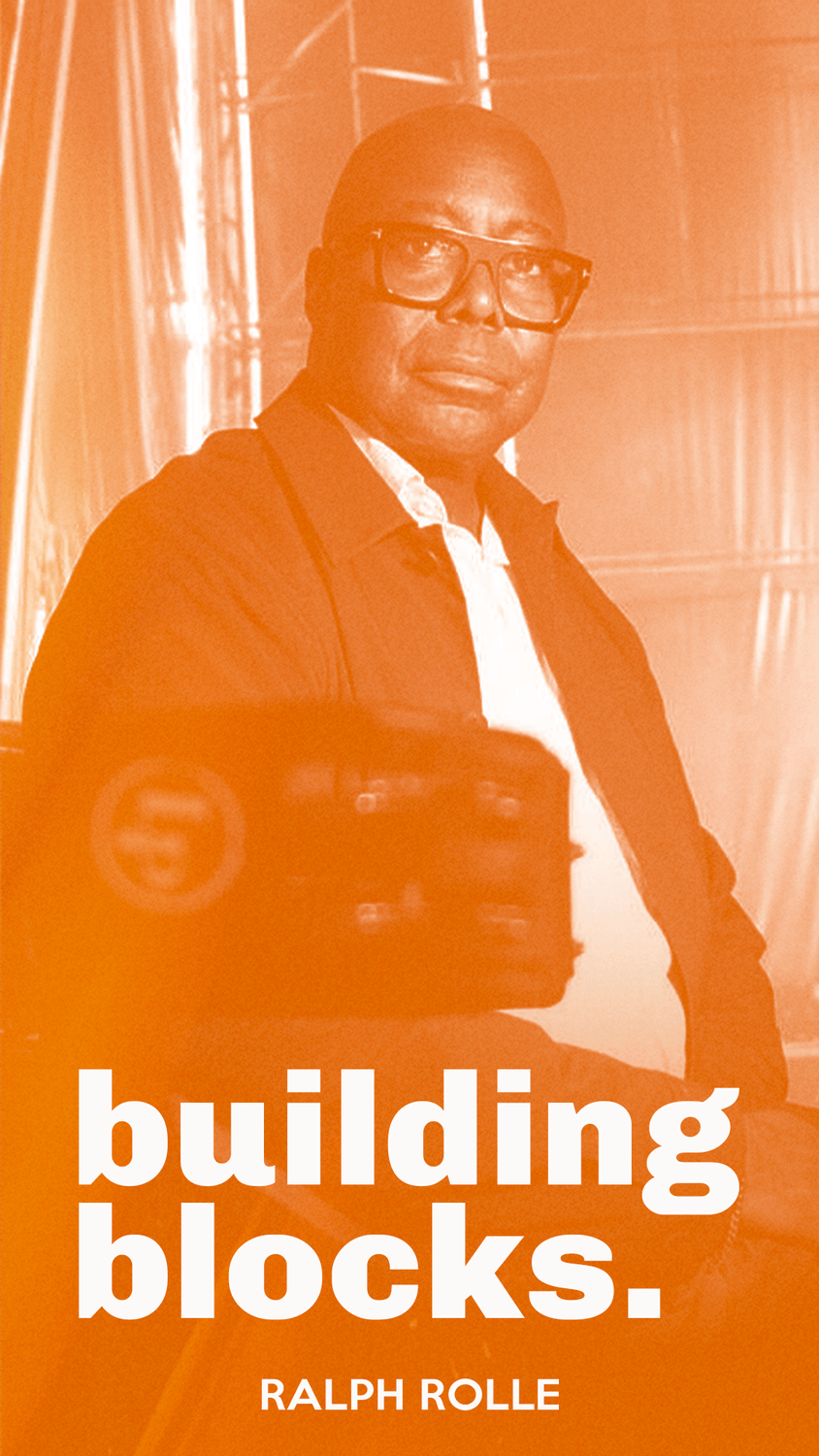

Still Stuck Behind the Kit?
If your doubles are sloppy, your grooves feel rigid, or your ghost notes get lost in the mix — it’s not your fault. You’ve been trying to fix the wrong things.
🎧 Ralph Rolle (drummer for Nile Rodgers & Chic) reveals the exact lessons most drummers skip… but every pro nails.
In just 8 crystal-clear videos, Ralph cuts through the fluff and gives you the breakthroughs YouTube never could.
Doubles that feel right
Grooves with flow
Ghost notes that hit
Bonus: Shuffle, hip-hop feel & clinic jam
Here’s the kicker:
You’ll feel better behind the kit — and your band will hear the difference. All for less than a pair of sticks.
“Turns out I wasn’t missing one trick. I was missing Ralph.” – @sticktwister

STAY IN THE LOOP