How to start drumming again after years off
You get back into drumming by rebuilding stamina and consistency before you chase chops, because your hands remember far more than your body does. The technique is still in there. What has gone is the calluses, the wind, and the ability to sit at a kit for an hour without your forearms filing a formal complaint.
That distinction matters, because almost everyone who comes back gets it the wrong way round. They assume they have lost the playing and try to fix it with volume. What they have actually lost is conditioning, and conditioning comes back on its own timetable.
The first session back is always the worst one
A guy came to me for a lesson a while back who had played in bands right through his twenties, then stopped for eighteen years. Job, kids, house, the usual. He had bought a kit again the week before and had not been able to look at it since.
He sat down, counted in, and played about ninety seconds of a groove he used to play in his sleep. Then he stopped, put the sticks on the snare and said, quite calmly, that he thought he had wasted his money.
Here is what actually happened in those ninety seconds. His timing was fine. His hands knew the pattern. His right forearm had turned to concrete and his left foot had forgotten it existed, so everything fell apart from the bottom up. We did fifteen minutes and stopped. Six weeks later he was playing full songs. Nothing about his ability had changed in that time. His body just caught up with his brain.
Why does drumming feel so much harder after a break?
Because playing drums is a physical skill wrapped around a musical one, and the two decay at completely different rates.
The musical part is stubborn. Groove recognition, phrasing, the feel of where the backbeat wants to sit, that stuff is baked in deep and it survives years of neglect surprisingly well.
The physical part is fragile. Grip strength, forearm endurance, the calluses on your fingers, the ankle control for a smooth hi-hat, your ability to stay relaxed at volume. That goes quickly and it goes first.
So when you sit down after years away, you experience the collapse of the physical layer and interpret it as the loss of the musical one. It isn't. You are just unfit for this specific and quite odd sport.
What comes back quickly, and what doesn't?
Fast, usually within a handful of sessions:
Basic grooves and fills you played a lot back then
Time feel, once your body stops flailing
Reading, if you ever read
Knowing what a song needs, which frankly may have improved while you were away listening to music instead of playing over it
Slow, and this is the part people underestimate:
Forearm and grip endurance
Hi-hat foot control and left foot independence
Calluses, which take a few weeks and cannot be rushed
Playing loud while staying loose, which is the last thing to return
How long does it take to get your chops back?
Longer than a fortnight, shorter than you fear. Most returning drummers I work with feel functional again within about a month of consistent short sessions, and feel like themselves again within three.
The single biggest factor is not talent or how long you were away. It is whether you play little and often or occasionally and heroically.
Three twenty minute sessions in a week will do far more for you than one two hour marathon that leaves you sore for four days and slightly resentful of the kit. Getting back into drumming is a conditioning project first and a music project second, at least for the first month.
What should your first four weeks look like?
Weeks one and two: short and frequent
Twenty to thirty minutes, three or four times a week. Stop before you want to stop.
Spend it on: singles and doubles at a genuinely boring tempo, one simple groove with the hi-hat, and playing along to two songs you know inside out. That is the whole plan.
You are not trying to improve. You are trying to give your hands a reason to build calluses and your forearms a reason to adapt, without wrecking yourself in week one.
Weeks three and four: add one thing at a time
Push sessions to forty minutes and add exactly one new demand per week. That might be a slightly faster tempo, or a groove with sixteenths on the hats, or your first proper fill practice.
One thing. Not four. The temptation when it starts feeling good again is to try to reclaim everything at once, and that is precisely when people tweak a wrist and lose a month.
Which old habits should you leave in the past?
Most of us learned in a shed with no supervision and picked up a few things that were never going to age well.
Gripping too hard is the main one. It got you volume at nineteen and it will get you tendon pain at forty five. Same for playing everything at one dynamic, which was fine in a loud room and sounds flat everywhere else.
The other one is technique you never really examined. Plenty of returning drummers have a decent right hand and a left hand they have been quietly hiding for twenty years. The break is actually a gift here, because you are rebuilding anyway. Fixing a habit now costs far less than fixing it after another year of reinforcing it.
This is the bit I would not try to do alone. Rebuilding fundamentals properly is exactly what Steve White's pack on the Drum Dog membership is for: not a beginner course, but a proper look at grip, motion and dynamics from someone who has spent a career on it. I would start there rather than trying to remember what your old teacher told you in 2003.
The short version
Getting back into drumming is not about recovering lost ability. It is about rebuilding the physical platform that ability sits on, and being patient enough not to sabotage it in the first fortnight.
Play short. Play often. Add one thing at a time. Fix the habits you always knew were dodgy while you have the excuse.
If you want the rebuild done properly rather than guessed at, I would join the membership and work through the fundamentals packs first. Everything else gets easier once the foundation is back under you.
FAQ
Am I too old to start drumming again?
No. Age affects recovery time between sessions more than it affects your ability to play. Shorter, more frequent sessions solve most of it.
Should I practise on a kit or a practice pad?
Both, and the pad more than you would like. The pad builds hand conditioning without wrecking your ears or your household, and it is where most of the early progress happens.
How often should I be playing?
Three or four short sessions a week beats one long one, every time. Consistency is what rebuilds stamina.
Is it worth taking lessons again as an adult?
Yes, particularly for the first couple of months. You are rebuilding habits from scratch whether you like it or not, so it is the cheapest possible moment to fix the ones that were wrong.
Drum Dog membership keeps drumming in your daily life and your playing sharp, with the exercises and challenges to keep you practising.

Still Stuck Behind the Kit?
If your doubles are sloppy, your grooves feel rigid, or your ghost notes get lost in the mix — it’s not your fault. You’ve been trying to fix the wrong things.
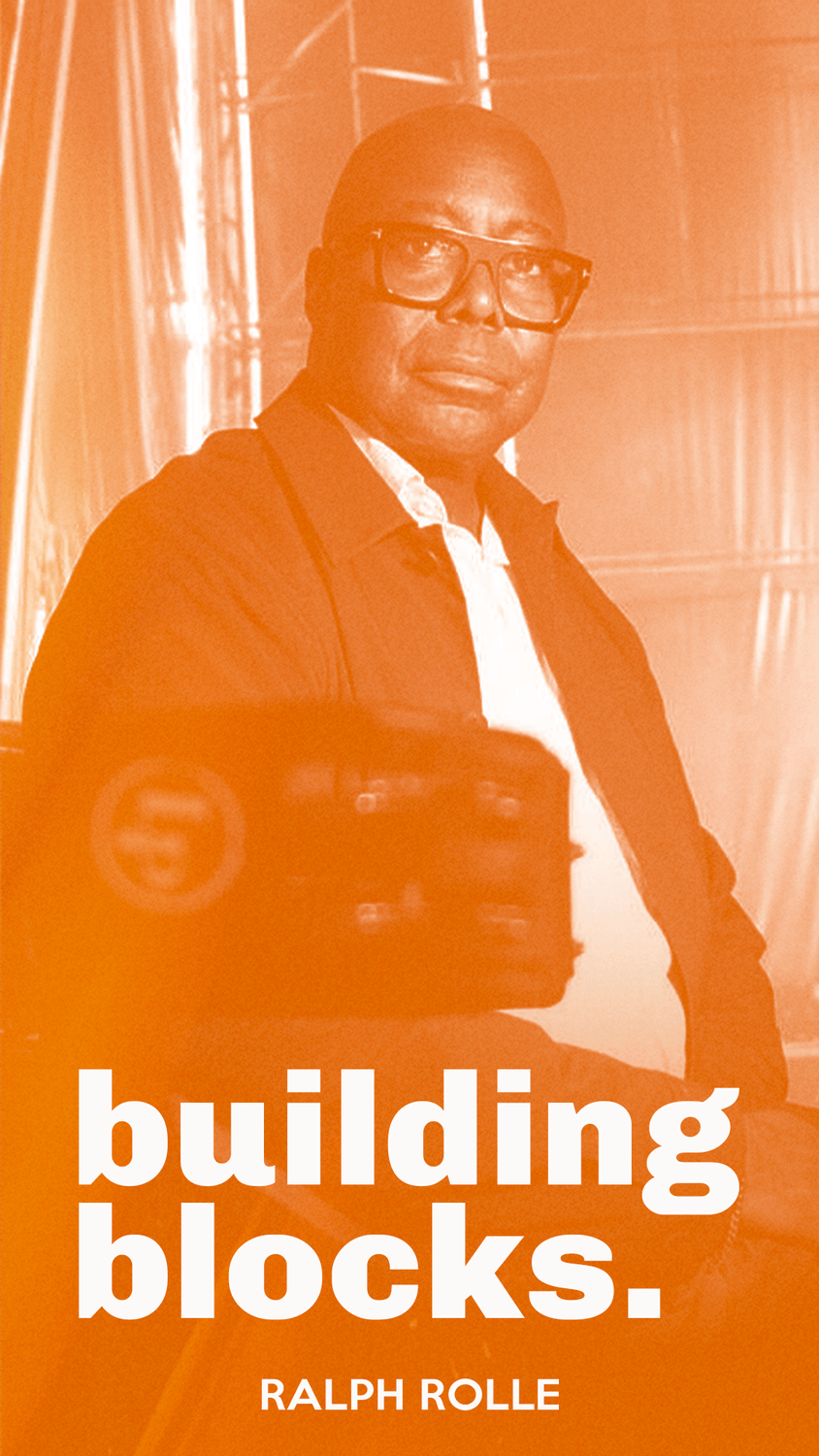
🎧 Ralph Rolle (drummer for Nile Rodgers & Chic) reveals the exact lessons most drummers skip… but every pro nails.
In just 8 crystal-clear videos, Ralph cuts through the fluff and gives you the breakthroughs YouTube never could.
Doubles that feel right
Grooves with flow
Ghost notes that hit
Bonus: Shuffle, hip-hop feel & clinic jam
Here’s the kicker:
You’ll feel better behind the kit — and your band will hear the difference. All for less than a pair of sticks.
“Turns out I wasn’t missing one trick. I was missing Ralph.” – @sticktwister

STAY IN THE LOOP