Limb Independence on Drums: The Method That Works
Hands alone? Fine. Feet alone? Fine. Together? Suddenly your right foot is copying your right hand and the whole groove collapses. If that's you, you're in the right place!
Your limbs won't cooperate because your brain is trying to run four separate rhythms as one tangled thought is teaching each limb its part slowly enough that it becomes automatic.
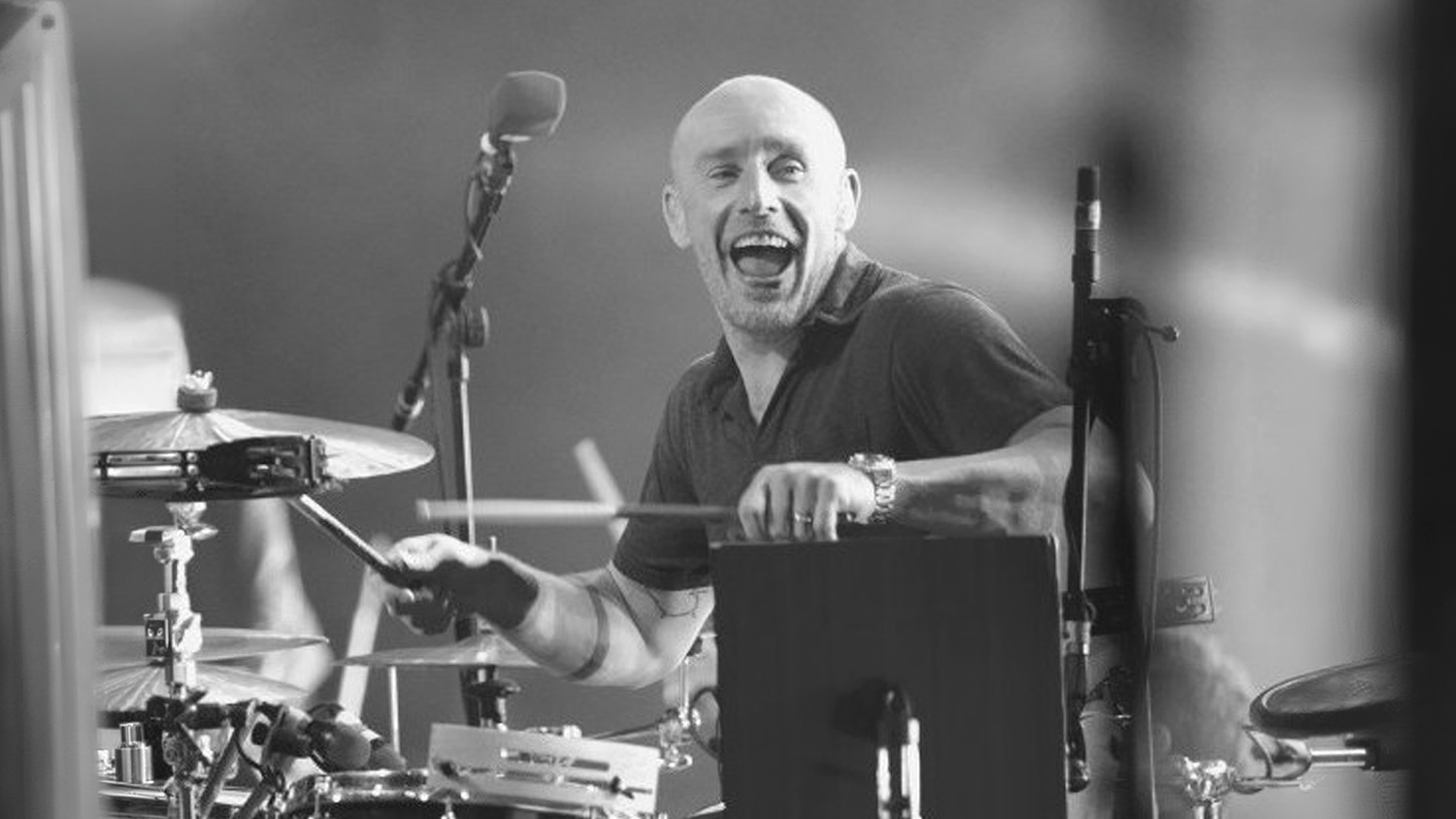
I was chatting with Rob Brian recently — touring pro, decades on the road, genuinely a monster player — and I asked him what he'd been working on in the practice room. I half expected some superhuman concept. Instead, he told me he was getting comfortable with a new bass drum ostinato and trying to keep his hands fluid and musical over the top of it.
Made me think: here's a drummer at the very top of the craft, wrestling with the same thing I am — just at a different altitude. I'm down here getting comfortable with fairly "basic" limb independence exercises. He's up there layering something far more advanced. But the wall is the same wall.
That's the encouraging truth about limb independence: the thresholds never disappear, they just move. And the way you climb to the next one is identical whether you're six months in or thirty years deep.
Why can't I coordinate my hands and feet on the drums?
Because your brain likes efficiency. When you try to play a steady hi-hat, a backbeat, and a syncopated kick all at once, it tries to bundle them into a single motion — so your right foot starts mimicking your right hand like a toddler copying an older sibling. Add the kick, and the hi-hat stumbles.
Limb independence is the skill of teaching each limb its own job so it can run on autopilot while your attention goes elsewhere. It's a trained separation of tasks, and every drummer builds it the same way.
What actually is limb independence (and why every drummer keeps working on it)?
Limb independence in drumming is the ability to make each of your four limbs play a different rhythm at the same time, without one dragging the others off course. Hands over here, feet over there, all coexisting.
It's important to remove that it can never fully be mastered, there's always another level. Rob Brian is still building it. So is every pro you admire. The exercises get more advanced — a trickier ostinato, a busier hand pattern, an independent hi-hat foot — but the challenge is always the same shape. If you're finding hand and foot coordination hard, you're doing the exact work a touring professional is doing, one or more rung(s) lower on the ladder.
How do you build limb independence? The layering method
Stop trying to play the whole groove at once. That's the mistake. Instead, build it in layers:
1. Isolate each limb. Play each part on its own until it feels boring and easy.
2. Lock the foundation. Usually that's your hands. Loop them until they run without thought.
3. Add one limb at a time. Introduce the kick — or the hi-hat foot — painfully slowly, with a metronome.
4. Loop two bars. Repeat the same tiny phrase until it stops feeling like thinking and starts feeling like breathing.
5. Only then nudge the tempo. Speed is a reward for control, never a substitute for it.
How slow is slow enough?
Slower than your ego wants. The rule: practise at the speed you can learn it, not the speed you'll eventually play it. If you can't play it cleanly and calmly, you're too fast — drop the tempo until the mistakes vanish, then creep up.
A simple starter exercise to try today
Play steady eighth notes on the hi-hat. Add a backbeat on 2 and 4. Once that loops effortlessly, add a single kick on the "and" of 2 — just one syncopated note. Loop those two bars until the off-beat kick stops throwing your hands. That's limb independence in miniature, and it's the same process you'll use for everything harder.
Ready to be guided through it, step by step?
This layering method is exactly how our lessons are built. If you want a structured path instead of guessing, Drum Dog membership gives you the full library — including Ultimate Hi-Hat Stepping: Limb Independence, the Hi-Hat Independence Groove Workout, and 3 Open-Handed Beats to Test Your Coordination. And if you fancy following Rob Brian's exact rabbit hole, Steve White's Bass Drum Ostinatos lesson takes the ostinato idea and runs with it. Join Drum Dog here and start building real four-way freedom.
How long does it take to develop limb independence?
Honestly? Forever — in the best way. It compounds. Fifteen focused minutes a day beats a frustrated two-hour marathon every time, because independence is built through repetition your nervous system can absorb, not through willpower. Six weeks of consistent, slow, layered practice will transform what you can play. And then, like Rob, you'll find the next threshold waiting — which is the whole fun of it.
FAQ
Why can't I play different rhythms with my hands and feet?
Because your brain instinctively bundles movements together. Independence is trained by isolating each limb, then adding them back one at a time, slowly, until each part runs automatically.
What are the best limb independence exercises for beginners?
Start with a steady hi-hat and backbeat, then introduce a single syncopated kick. Loop two-bar phrases with a metronome. Guided drills like Ultimate Hi-Hat Stepping build this systematically.
Does limb independence get easier over time?
Yes and no. Each specific pattern gets easier with repetition, but the overall skill keeps offering new challenges — even professionals like Rob Brian are still developing it. That's normal.
How often should I practise coordination drills?
Short and daily beats long and occasional. Fifteen focused minutes a day, at a tempo where you make no mistakes, builds independence faster than marathon sessions.
Drum Dog membership keeps drumming in your daily life and your playing sharp, with the exercises and challenges to keep you practising.

Still Stuck Behind the Kit?
If your doubles are sloppy, your grooves feel rigid, or your ghost notes get lost in the mix — it’s not your fault. You’ve been trying to fix the wrong things.
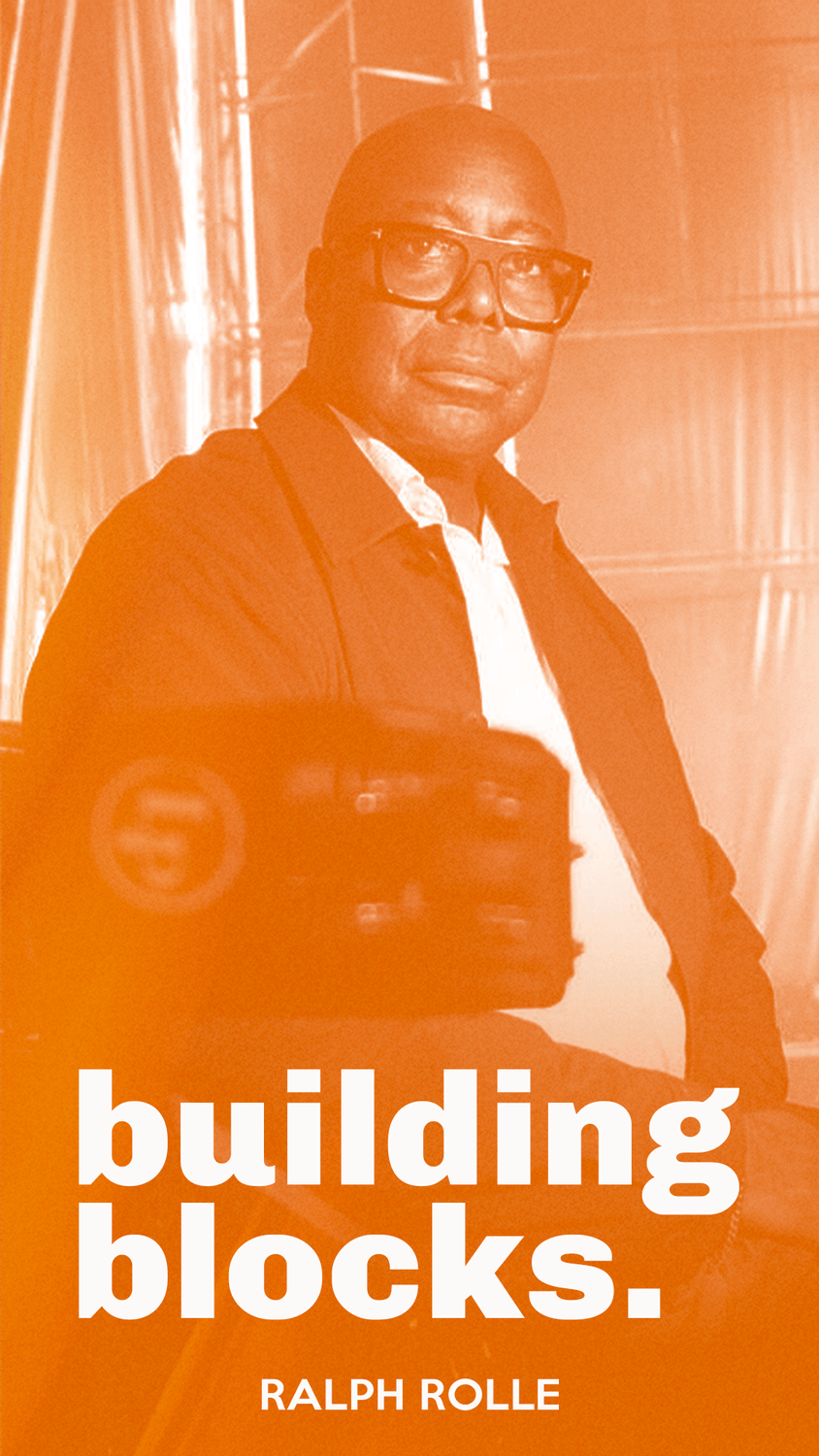
🎧 Ralph Rolle (drummer for Nile Rodgers & Chic) reveals the exact lessons most drummers skip… but every pro nails.
In just 8 crystal-clear videos, Ralph cuts through the fluff and gives you the breakthroughs YouTube never could.
Doubles that feel right
Grooves with flow
Ghost notes that hit
Bonus: Shuffle, hip-hop feel & clinic jam
Here’s the kicker:
You’ll feel better behind the kit — and your band will hear the difference. All for less than a pair of sticks.
“Turns out I wasn’t missing one trick. I was missing Ralph.” – @sticktwister

STAY IN THE LOOP