How to Practise Drums Without a Kit (and Still Get Seriously Good)
No room. No money. Neighbours who'd lose it if you set up a kit. So you've put off learning drums properly, convinced you need the gear first. You don't, and here's the proof.
Yes, you can absolutely practise drums without a kit, and some of the most important work you'll ever do as a drummer happens nowhere near one.
For a long stretch, a practice pad was all I had. No room for a kit, a partner who quite reasonably didn't fancy a snare going off at 11pm, and the nagging feeling that none of it really counted.
I'd sit there tapping out singles and doubles on a lump of rubber, convinced the real progress was happening to other people, the ones with a kit in the garage.
Then I sat down at an actual kit after a few months of nothing but pad work. My hands had changed. Stickings that used to trip me up just flowed. The control was there, quietly built up one boring rep at a time.
That was the moment it clicked. The kit is where you show off what you've practised. The practice itself can happen anywhere.
Can you really get good at drums without a kit?
Yes. Almost everything that makes someone a good drummer is trainable away from a full kit.
Your hands, your timing, your reading, your coordination, your dynamic control: none of it needs a five-piece in the room. A practice pad and a metronome will take you a frankly embarrassing distance.
The kit reveals the work. It doesn't do the work. When you sit down and a groove feels effortless, that ease was built in the slow, unglamorous reps beforehand, most of which happen on a pad.
So if you've been telling yourself you can't learn drums without a kit, that story has been holding you back, not the lack of gear.
What can you actually practise without a kit?
More than you'd think. Here's the honest list of what you can develop with nothing but a pad and a metronome:
Rudiments and hand technique. Singles, doubles, paradiddles, flams. The entire vocabulary of stick control lives on a pad.
Timing and subdivision. Lock to a metronome and drill eighths, triplets and sixteenths until they're rock solid. The single most valuable thing you can do, kit or no kit.
Sticking control and dynamics. Play from a whisper to a roar and back. Control is built through repetition, not volume.
Reading and counting. Work through notation, count out loud, internalise the maths of rhythm.
Foot technique. A pedal trainer, or even a folded cushion on the floor, lets you drill heel-up and heel-down control while your hands keep busy.
That's the bulk of real drumming, and not one item needs a kit. These are exactly the practice pad exercises that separate drummers who improve from drummers who plateau.
What gear do you actually need?
Less than the gear ads want you to believe. To practise drums without a kit properly, you need four things:
A practice pad
A pair of sticks
A metronome (the free app on your phone is fine)
Optionally, a pedal trainer for your feet
That's it. The "I can't afford a kit" objection quietly disappears when proper quiet drum practice costs less than a night out. And silent drum practice on a decent pad is the only kind your neighbours will ever thank you for.
How do you build a kitless routine that actually works?
Here's where most people go wrong. They tap aimlessly at a pad for ten minutes, get bored, and decide that practising drums at home without a kit doesn't work.
The difference between noodling and improving is structure. Try this 20-minute template:
Warm-up (3 min): slow singles and doubles, loose wrists, no metronome.
Rudiment focus (7 min): pick one rudiment, set the metronome slow, creep the tempo up only when it's clean.
Timing block (5 min): subdivisions against the click, switching between eighths, triplets and sixteenths.
Application (5 min): take what you drilled and play it musically, with accents, dynamics and little phrases.
Do that four times a week and your playing will move, whether you're practising in a flat, a dorm, or the back of a tour bus.
The only hard part is knowing what to drill and in what order. That's the bit that stalls self-taught drummers, and it's exactly the bit a proper plan solves.
This is where a Drum Dog membership earns its keep. Inside the library, the structured learning paths and pad-friendly exercises take the guesswork out of the routine above, so every 20-minute session is pointed in the right direction. World-class drummers, broken down step by step, from just £9.99 a month.
The pad is where good drummers are quietly made
A kit is brilliant, and one day you'll want one rumbling away in a room somewhere. But it was never the thing standing between you and getting better.
You can practise drums without a kit, build real, transferable skill, and walk up to any kit ready to play. The work happens on the pad. The kit just gets to enjoy the results.
Pick up the sticks. You've already got everything you need.
FAQ
Can you learn drums without a kit?
Yes. Hand technique, timing, reading and coordination are all trainable on a practice pad with a metronome. The kit is where you apply those skills, not where you build them.
Is a practice pad enough to get good?
For the fundamentals, absolutely. A pad develops the stick control, timing and rudiments that underpin everything you'll ever play. You'll want kit time eventually for grooves and orchestration, but the pad does the heavy lifting.
How long should you practise on a pad each day?
Twenty focused minutes beats an hour of aimless tapping. Consistency matters far more than length. We dug into this properly in how long should you practise drums?
Can you practise drums quietly in a flat or apartment?
Yes, and a practice pad is the answer. It's near silent, so quiet drum practice is completely flat-friendly, neighbour-friendly and late-night-friendly.
How do you practise drum feet without a kit?
A pedal trainer is the cleanest option, but a folded cushion or a thick book on the floor lets you drill heel-up and heel-down control. Pair it with hand patterns to build coordination.
Drum Dog membership keeps drumming in your daily life and your playing sharp, with the exercises and challenges to keep you practising.
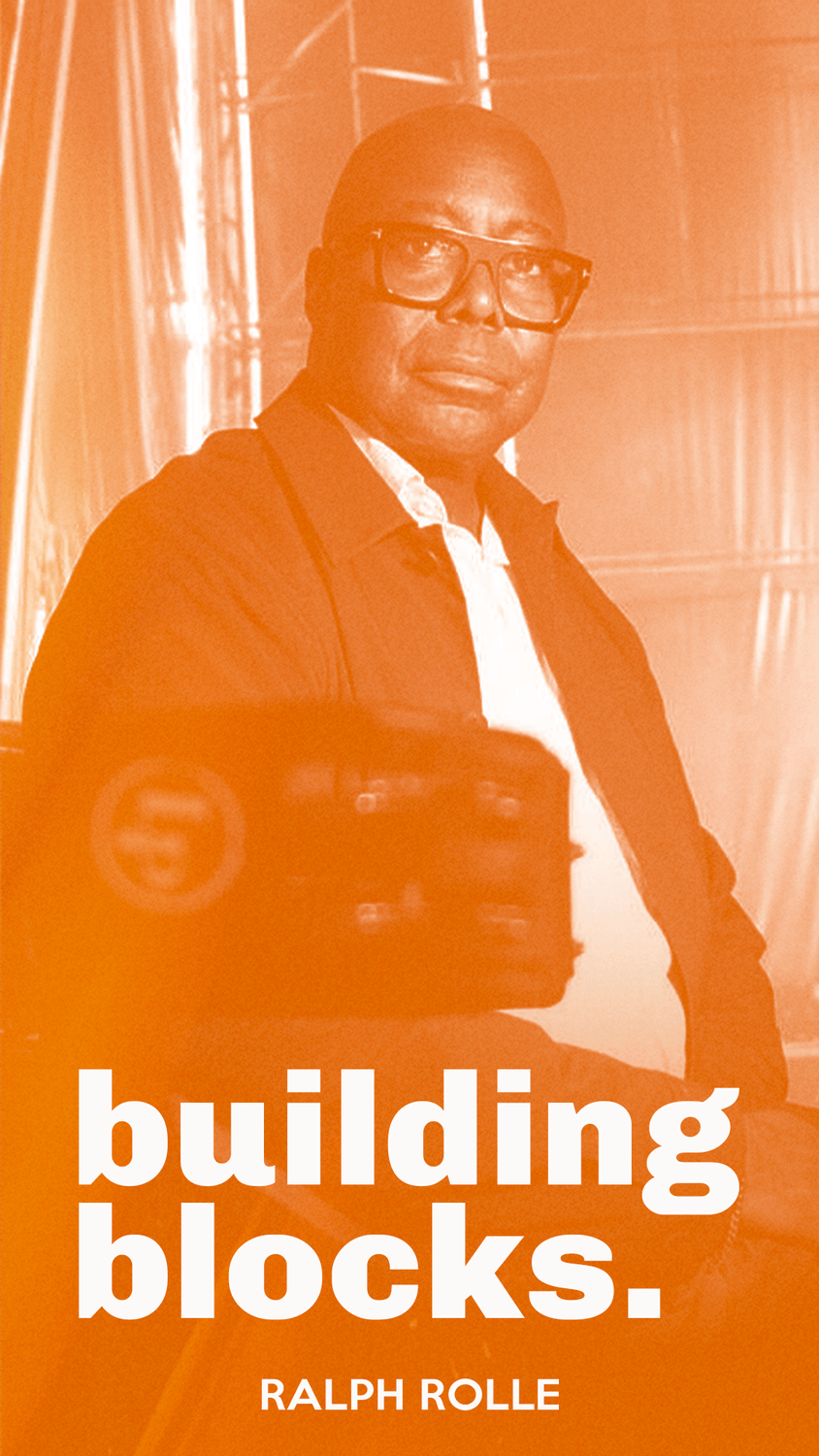

Still Stuck Behind the Kit?
If your doubles are sloppy, your grooves feel rigid, or your ghost notes get lost in the mix — it’s not your fault. You’ve been trying to fix the wrong things.
🎧 Ralph Rolle (drummer for Nile Rodgers & Chic) reveals the exact lessons most drummers skip… but every pro nails.
In just 8 crystal-clear videos, Ralph cuts through the fluff and gives you the breakthroughs YouTube never could.
Doubles that feel right
Grooves with flow
Ghost notes that hit
Bonus: Shuffle, hip-hop feel & clinic jam
Here’s the kicker:
You’ll feel better behind the kit — and your band will hear the difference. All for less than a pair of sticks.
“Turns out I wasn’t missing one trick. I was missing Ralph.” – @sticktwister

STAY IN THE LOOP