Why Drum Improvisation Feels Impossible (And How to Actually Learn It)
Someone nods at you to take eight bars. Your brain empties. You play the same three fills you always play. We've all been there.
Drum improvisation can feel impossible because it lives entirely in the moment, reading the room, reacting to other musicians, and making split-second musical decisions while you're playing.
I realised recently why jazz is my favourite genre to watch live - the unpredictability. I'd grown up listening to music where every note was where you expected it to be: verse, chorus, fill, repeat. Then I heard Miles, Herbie, Tony Williams, and the whole thing cracked open. These were musicians making it up as they went, in real time, in front of a room of people, and somehow it came out sounding like it had been written.
That's the magic of improvisation. It's immediate and singular. When someone does it well, you can hear the conversation happening, a question from the piano, an answer from the drums, a left turn from the bass that nobody saw coming It's the closest thing music has to a tightrope walk, and the great improvisers make it look so easy.
But here's the thing nobody tells you when you start chasing that feeling on the kit: improvisation is a skill, not a gift. And like any skill, it can be broken down, practised, and built.
Why is drum improvisation so hard?
Most drummers are trained to execute, not invent. We learn parts. We learn grooves. We learn fills we can pull out when the moment calls for them. What we're rarely taught is how to generate something new, in real time, that actually fits the music around us.
The result is the blank page problem. The space opens up, a musician nods at you, and your brain empties. You either default to the same three fills you always play, or you overplay to mask the panic. Neither feels good.
The worst advice you can give a drummer in this situation is "just play what you feel." Feeling isn't the issue. Vocabulary is. You can't speak a language you haven't learned, and improvisation is a language.
Is improvisation a talent or a skill?
It's a skill. A built skill. The drummers we hold up as great improvisers didn't arrive fully formed. They spent years building a vocabulary, phrase by phrase, by listening, transcribing, and copying.
The clearest way to think about drum improvisation is as a conversation. You're not playing at the music, you're playing with it. That means having things to say, knowing when to say them, and crucially, knowing when to keep quiet. Great improvisers are great listeners first.
This reframe matters because once you accept that improvisation is learnable, the work becomes obvious. You stop waiting for inspiration and start building vocabulary.
How do you actually practise drum improvisation?
Four practical entry points. Pick one, not all four.
1. Steal vocabulary. Pick a drummer you love and transcribe one phrase. Just two bars. Get it in your hands until you can drop it into a groove without thinking. Then steal another one, etc. etc. ...
2. Limit yourself. Improvise using only your snare and hats. Or one hand. Or no kick. Restriction forces creativity. When you can play anything, you usually play nothing interesting. When you can only play three things, you start finding combinations you'd never have stumbled onto.
3. Play to non-drum music. Put on a sax solo, a piano trio, a vocalist. Improvise behind them. You'll learn space and response far faster than you ever will soloing alone. The music will teach you where to leave gaps.
4. Record everything. Phone on the snare, record the session, listen back the next day. You'll hear your defaults immediately, the fill you do every eight bars, the cymbal crash you can't help yourself with. Awareness is half the battle.
How do jazz drummers improvise so naturally?
Because they've put the hours in. Jazz drummers spend years building vocabulary, learning to comp, transcribing solos, and treating the kit as a melodic instrument rather than a rhythmic one. Their improvisation sounds natural because the work is invisible, but the work is enormous.
They also listen, constantly. That kind of listening is what lets them respond rather than just react.
If you want to see this approach laid out properly, Asaf Sirkis's lesson pack has an entire chapter dedicated to improvisation. Asaf is a working jazz drummer at the top of his game playing with Soft Machine and he walks you through the exact process, vocabulary building, listening, response, and how to translate it onto the kit. If this post has shifted how you think about improvising, the improvisation chapter is the obvious next step.
What's the fastest way to get started?
Pick one of the four entry points above and stick with it for two weeks. Don't overhaul your practice. Don't try to learn jazz, funk, and Latin improvisation simultaneously. Just one thing, fourteen days, and see what changes.
Spend listening time on it too. Listening counts as practice. Find one player whose improvisation lights you up and steal from them shamelessly. That's not cheating, that's the entire history of the instrument.
The drummers who do this well didn't wake up that way. They built it, phrase by phrase, conversation by conversation. The kit is your voice. Vocabulary is what gives that voice something to say.
If you want a structured walkthrough of how a working jazz drummer actually thinks through improvisation, Asaf Sirkis's lesson pack on Drum Dog is the most direct route. The improvisation chapter alone is worth the pricr.
Want to give Asaf's lesson pack a try? Give it a go and see your improvisational skills improve.
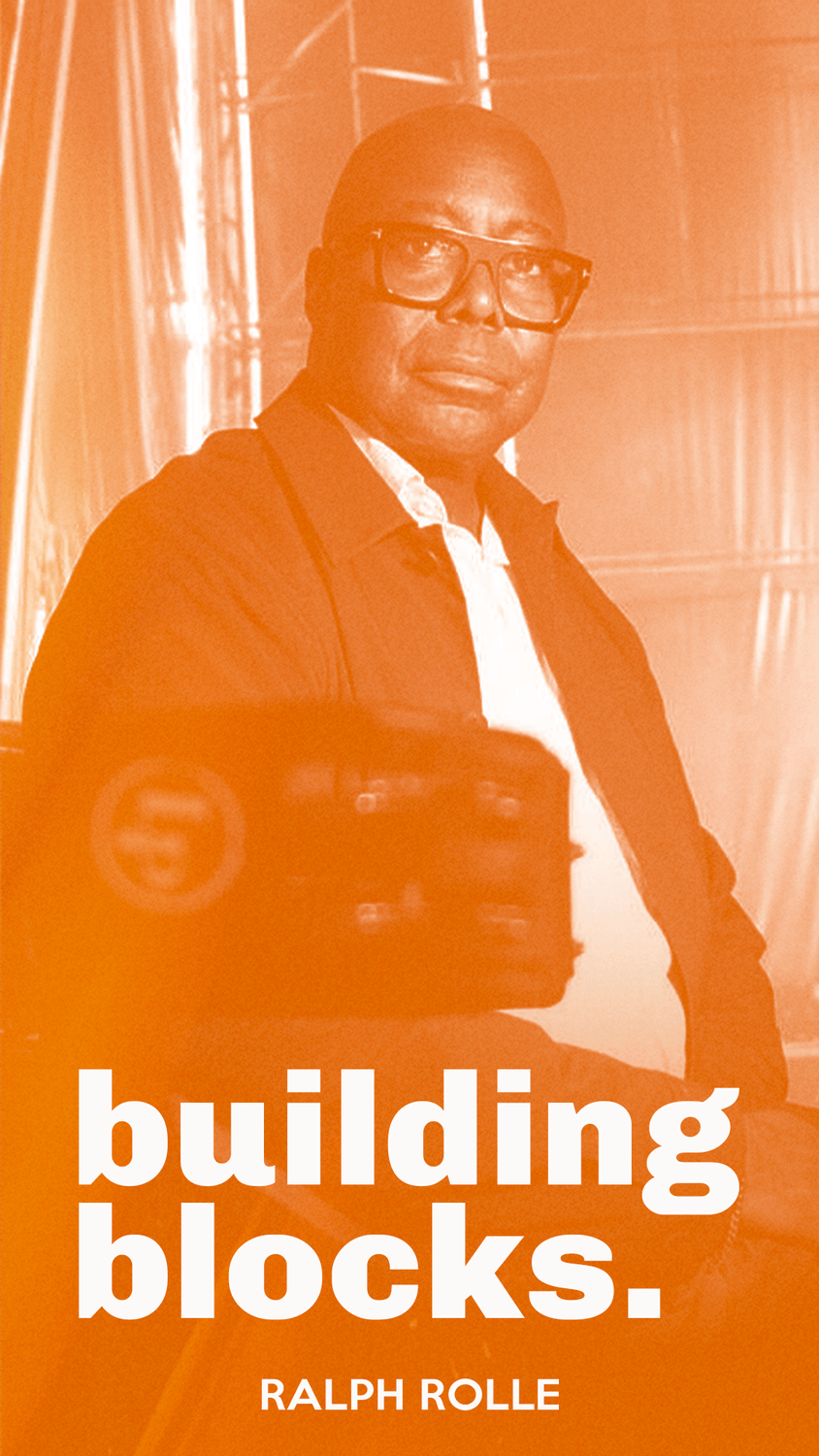

Still Stuck Behind the Kit?
If your doubles are sloppy, your grooves feel rigid, or your ghost notes get lost in the mix — it’s not your fault. You’ve been trying to fix the wrong things.
🎧 Ralph Rolle (drummer for Nile Rodgers & Chic) reveals the exact lessons most drummers skip… but every pro nails.
In just 8 crystal-clear videos, Ralph cuts through the fluff and gives you the breakthroughs YouTube never could.
Doubles that feel right
Grooves with flow
Ghost notes that hit
Bonus: Shuffle, hip-hop feel & clinic jam
Here’s the kicker:
You’ll feel better behind the kit — and your band will hear the difference. All for less than a pair of sticks.
“Turns out I wasn’t missing one trick. I was missing Ralph.” – @sticktwister

STAY IN THE LOOP